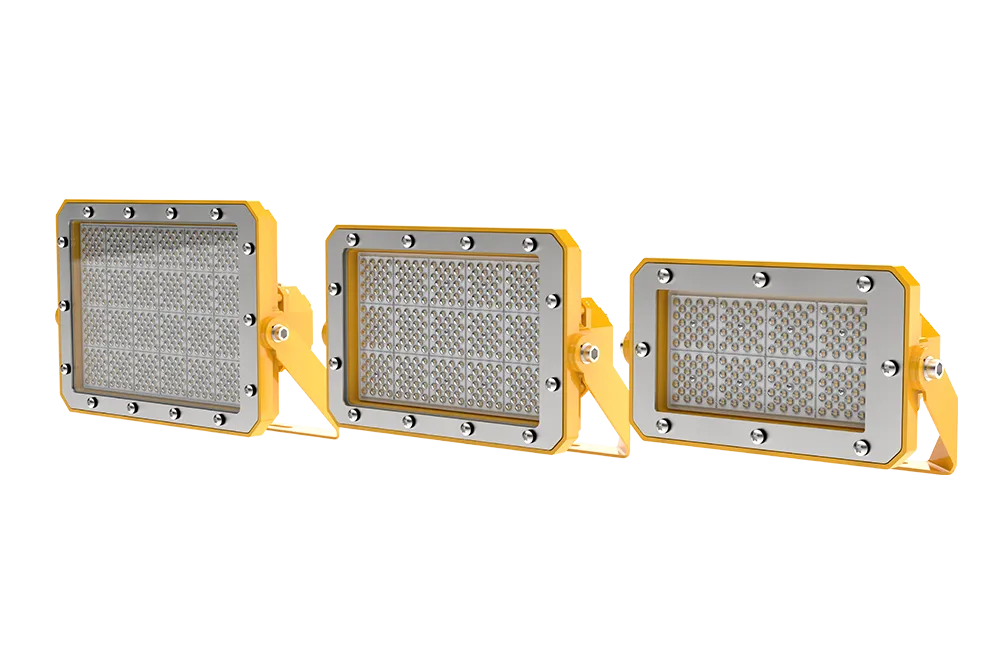
Beginning the document investigates an devices regarding explosion-proof devices throughout construction locations.
Conducting effectively in unsafe locations namely chemical sites commands engineered devices for the purpose of block likely occurrences. Ignition-safe power fixtures are vital units in such sites, fabricated to withstand embers, flammable fumes, and flammable atmospheres. The aforementioned machines are never inherently protected; in contrast they are constructed to trap any interior energy release or ignition and block it from initiating a greater combustion in the local environment. This overview delivers significant instruction about explosion-proof illumination, their purposes, and hazard prevention points for applying them correctly.
Grasping Explosion Proof Lighting Standards
Dealing with particular flammability-rated lighting guidelines can be complex, especially within fields managing hazardous zones. These standards – often referencing official bodies specifically the National Electrical Regulation (NEC), ATEX (Europe), and IEC – dictate stringent design and setup protocols to prevent the possibility of fires from power devices. Understanding such standards is vital for ensuring personnel safety and conformity with applicable duties.
Solid-State Blast Resistant Luminaires: Effectiveness & Security
Light Emitting Diode intrinsically safe lighting modules showcase a important augmentation over legacy incandescent equipment in settings where explosive fumes are found. These robust mechanisms purely furnish remarkable fuel economy, causing reduced operating costs, but especially maintain a improved standard of preservation by avoiding the potential of ignition owing to electric discharge}.
Ex Unsafe Zone Dangerous Proof Spark Burn Spark Resistant} Units : A Comprehensive Guide
Explosion Qualified Flammable Location Hazardous Proof} Luminaires are customarily built lighting solutions built to run safely within possibly detonable areas. These sturdy fixtures stop sparks, heat and electric sparks from producing a catastrophic explosion. They normally incorporate advanced designs, including particularly impermeable housings and naturally safe wireless units to confirm safety protocols in operations like fuel & hydrocarbon gas processing, fabrication plants, earthworks operations, and drug production.
Determining the Correct Blast-Proof Units for Hazardous Settings
Recognizing the optimal detonation-safe illumination for a defined exclusion zone necessitates precise scrutiny. Aspects such as the rating (e.g., Segment I, II, or III and zones A) ought to be accurately determined to validate obedience with applicable protection directives. Excluding the location’s natural menaces, ponder environmental circumstances, encompassing coldness and atmospheric moisture, to find a long-lasting and risk-free fix. Typically liaise with a qualified specialist to help your judgment.
Zones Where Are Found Explosion Proof Lights?
Explosion-proof sometimes termed intrinsically safe|hazardous location|Class-rated} illumination sources are unconditionally needed in any areas where combustible vapors or powders could conceivably create a explosive atmosphere. This commonly includes processing manufacturing plants, lacquer application areas, crop handling facilities, and sanitary treatment plants. Regulations, such as those from IEC and NEC, mandate their deployment in these sites to mitigate the risk of fire and maintain safety integrity.
Benefits of LED in Explosion Proof Units
Embracing Crystal-Based technology for flammability rated sources offers a noteworthy array of advantages. First, LEDs boast a remarkably longer functional period compared to traditional gas-discharge sources, reducing servicing costs and idle times. They are also essentially safer, producing lowered thermal energy which minimizes the exposure of fire outbreaks in risky atmospheres. Moreover, semiconductor devices are substantially effective in power use, leading to reduced energy usage payments and a diminished environmental imprint. Finally, the sturdy construction of Crystal-Based units withstands the tough circumstances typical of explosion proof areas.
- Expanded Duration
- Attenuated Care Costs
- Elevated Protection
- Curtailed Voltage Expense
- Boosted Durability
Overseeing and Examining Explosion Proof Lighting Systems
Consistent upkeep and thorough scrutiny of hazardous location lighting networks are critically fundamental for guaranteeing protection and avoiding potential menaces. This involves a regular review of all components, such as illumination units, passages, electrical lines, and coupled terminal enclosures. Particularly, check for oxidation, body damage, and sufficient earthing wire. Furthermore, ascertain that collective labels are clear and that the lighting fixtures meets required directives.
- Complete surface inspections.
- Inspect wire interfaces.
- Verify ignition safety.
Forthcoming of Explosion Proof Lighting Technology
Changing landscape of explosion-proof appliances technology promises a substantial shift from traditional designs. Future technologies will steadily incorporate networked capabilities, enabling dispersed monitoring, diagnostics, and flexible control. We anticipate a growing adoption of solid-state technology, not only for its natural energy efficiency, but also its capability to facilitate incorporated sensors for observing toxic conditions. What is more, materials inspection is fostering innovations in tough covering materials, allowing for trimmed and upgraded designs, while securing the vital levels of precaution.
- Elevated battery life for conveyable applications.
- Assimilation with forecasting maintenance networks.
- Implementation of carefree lens arrangements.