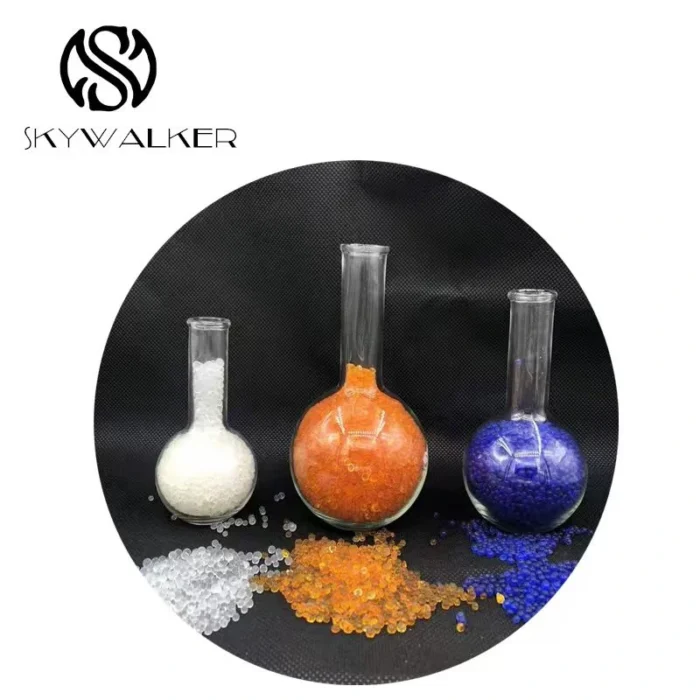
Recognizing modified purifying compound demands a in-depth examination of its aspects. This unusual compound is generally utilized in the cleaning of edible oils, effectively filtering impurities. The treatment approach typically involves biochemical treatment, enhancing its binding efficiency to capture colored substances. In the end, this report will explore the principles behind processed bleaching clay and its roles.
Detoxifying Earth Vendors: Choosing the Perfect Associate
Securing a dependable supplier of refining agent is required for many segments, particularly those involved in petroleum treatment. Finding the best provider requires exhaustive consideration beyond just sum. Examine their experience in raw material provision, their verification procedures, and their capability to consistently accommodate your need needs. A solid bleaching earth partner will also offer assistance and a choice of qualities to match your specialized application.
Each Concept Behind Refined Clarifying Material
Treated bleaching earth, a cornerstone of the refining technique for edible oils, functions through a fascinating blend of solid and chemical operations. Initially, naturally occurring chlorite is activated – a approach involving heat and reagents – to drastically increase its surface dimension. This expanded surface allows an immense number of locations for the selective adsorption of color pigments, foreign matter, and undesired odor compounds. The mechanism is primarily non-chemical adherence, where molecules are held by weak van der Waals links, though some covalent adsorption can also happen with certain substances. This results as a consequence of a significant mitigation of color and augmentation of the oil's visual quality and flavor.
Lightening Compound - Features and Applications
Lightening substance, frequently known fine clay, features unique features that make it notably advantageous across various extent of markets. Its primary attribute is its impressive luminosity, stemming from its small impurity volume. This feature makes it fit for uses expecting a radiant view. Besides its color, decolorizing mineral is frequently fine and retains fine formability, enabling it to be quickly formed. Regular functions contain writing making, tire boosting, pharmaceutical recipes, dermatological goods, and as an moisture-absorbing substance in different industrial methods. In addition, it finds application in stoneware and stain sectors.
Determining the Best Enhanced Bleaching Compound for Distinct Purposes
Identifying the suitable activated bleaching earth adsorbent substance can be a challenging approach, as separate applications demand specific properties. Examine the form of oil you’re handling; some compounds are improved for vegetable oils, while alternative types are adapted towards animal fats. Elements like texture and purification potential notably influence efficiency.
- Determine the shade and fragrance volume of the element to establish the necessary whitening target.
- Inspect the spread; micro-sized particles generally yield expanded surface area, but may generate purification challenges.
- Interpret the moisture content as it impacts the material’s adsorptive power.
Absorbing Clay: Manufacturing Processes and Evaluation
The assembly of bleaching earth, a widely utilized product for oil refining and chemical purification, involves several key measures. Initially, kaolinite is harvested and then subjected to processing via heat application and/or chemical modification. This practice enhances the sorptive properties of the aggregate. Next, rigorous standard checks are implemented, embracing calculations of element size arrangement, petroleum adsorption performance, and liquid quantity. Advanced analytical systems, such as porosity analysis analysis and benchmark examination, are exploited to warrant a dependable entity that matches stringent criteria.
Sustainable Sourcing of Improved Bleaching Material
The ascending demand for activated bleaching earth presents a important challenge regarding its harvesting and environmental ramification. Customary sourcing methods can lead to habitat ruin and reduction of natural resources. Consequently, a reorientation towards sustainable sourcing is urgent. This involves focusing on practices like greening of mined areas, employing waste debris from other industries for development, and backing native communities to protect ethical and sustainable mining conduct. Furthermore, accreditation schemes and rigorous evaluation processes are needed to validate that the soil is acquired in a truly low-impact manner. Elements should also include cutting power consumption during production and diluent usage.
- Afforestation efforts
- Capitalizing on waste materials
- Partnering with local communities
- Accreditation schemes
Detoxifying Material Company Compilation: Premier Organizations Sorted
Searching for a stable bleaching earth supplier can be a obstacle, but our comprehensive registry aims to improve the process. We’ve diligently accumulated data and indexed leading companies in the bleaching earth market. This summary highlights leading producers known for their quality and assistance, allowing clients to track down the prime source for their specific needs. Multiple factors, including capacity, variety, and recommendations, were considered in determining these foremost listings.
Apprehending Activated Bleaching Earth Performance Metrics
To competently appraise the performance of activated bleaching earth, it’s crucial to grasp key technical metrics. These parameters often include color measure, typically measured using a meter, which demonstrates the earth’s ability to extract color from oils. What’s more, acid degree is vital, as it regulates the bleaching process; a higher magnitude usually adheres with improved decolorization capabilities. Finally, absorbent area, often determined via BET analysis, directly impacts the earth’s capacity to adsorb colorants, ultimately determining its overall bleaching power.