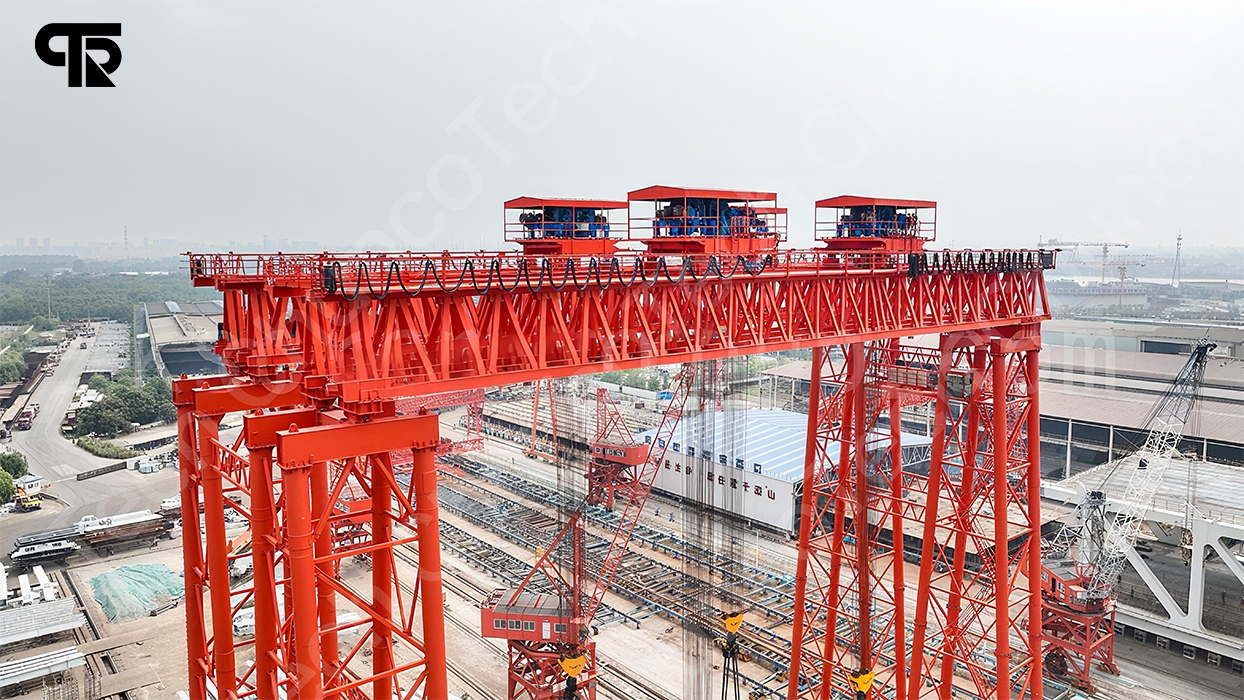
Choosing among a lifting mechanism, the judgment often comes down to variflex boom versus linear arm. Rigid lifts give simplicity and are optimal for erect lifts, but pivoting cranes yield improved maneuverability, enabling access to tight spaces. Evaluate the construction area; if you’re principally facing hindrances or demand more elaborate positioning, a knuckle boom is generally the wiser option. However, for spacious areas and simple lifts, a straight boom might be a enhanced profitable approach.
Comprehending Robust Lifting Arm Hoists: Employments and Perks
Solid jib arm lifting systems represent a dedicated type of lifting equipment, intended for hefty load handling in challenging settings. Their chief property is a unbending crane arm makeup, which grants for accurate positioning and improved steadiness, especially when functioning in limited spaces or at large heights. Common purposes subsume bridge formation, assembly operations, aero site installation, and urban advancement. The crucial upsides comprise increased security, better efficiency, and the aptitude to achieve tasks that could be unachievable with conventional installations. This amounts to lower costs and elevated plan consequences.
Quay Loaders: The Powerhouses of Port Container Logistics
Such massive STS jibs represent the max of engineering feat in the shipping industry. Designed to competently load and handle containers between boats and the jetty, they are necessary for the continuous operation of modern marinas. Their altitude – often exceeding a hundred meters – and extraordinary load ability allow them to handle the most substantial container liners currently in activity, fundamentally changing global trade.
Knuckle Boom Cranes: Diversity in Elevating Tasks
Articulated devices are esteemed for their exceptional variability, providing users with a individual advantage in multiple handling jobs. Equipped with a curving boom part, these mighty hoists can access around barriers and deploy cargo in squeezed regions. This capability makes them advantageous for applications in assembly, management, services operations, and varied other categories. To sum up, knuckle boom loaders offer a significant alternative to tough elevating stipulations.
Straight Boom Cranes: Precision and Security Explained
Linear jib arm cranes are famous for their superior capacity to deliver correct lifting and arrangement of loads. In contrast to extendable models, their simple design brings about native reliability, making them suited for purposes requiring intense degrees of regulation and low fluttering. This characteristic is especially essential in assembly sites and categories where strict tolerances are essential.
Strong System Hoist Advantages: At times Rigidity Is Important
Classic lifting arm tools often face challenges with elasticity, especially when supporting heavy items or working at major lengths. Nonetheless, solid jib arm installations produce a decisive perk by curtailing unwanted movement. This improved stability translates to safer operations, increased accuracy, and a reduced risk of load fluctuation. As a result, robust machines are advantageous for endeavors where constructional stability is crucial.
Harbor Cranes: The Insightful Study into STS Systems
Specific pier lifter device platform represents this vital component for modern container docks. Sophisticated ship-to-shore machines are sophisticated structures fabricated to competently offload boxes removed from gigantic seagoing ships by ground networks. Its process demands exactness engineering and embedded technology to guarantee defense and enhance handling.
Analyzing Lifting Types: Segmented, Boom, Tough, and Harbor
Choosing the fitting hoist for a specific assignment is vital. While many variations exist, four typical varieties – pivoting cranes, straight cranes, strong cranes, and ship-to-shore cranes – demonstrate significantly unique competencies. Folding cranes furnish enhanced maneuverability due to their curved section, making them recommended for restricted environs. Telescopic cranes grant versatile stretch through their expandable segment, first-rate for widespread heaving requirements. Heavy-Duty cranes conserve a steady component, ideal for correct positions where rigidity is required. Finally, Pier cranes, engineered for package handling at terminals, possess massive moving ability and ample span.
- Pivoting Machine Types
- Boom Loader Styles
- Stiff Hoisting Models
- Jetty Apparatus Varieties
This Transformation In relation to STS Cranes: Developments and Improvements
Across recent epochs, STS (Ship-to-Shore) crane apparatus has undergone a significant shift, prompted by pressures for augmented port capability. Early STS cranes were relatively simple machines, featuring basic elevating mechanisms. Now, up-to-date STS cranes possess sophisticated system, including innovative control systems, interactive positioning capabilities, and enhanced safety protocols. A key direction is the implementation of fully electric propulsion, decreasing carbon footprint and raising operational durability. As well, the rise increasing use self-driving operation and information-based maintenance are modifying the field related to STS crane deployment. The horizon sees persistent emphasis on resource conservation and the development of even enhanced cranes to carry mountingly huge container freighters.
STS Crane (Ship-to-Shore Container Gantry Crane)